
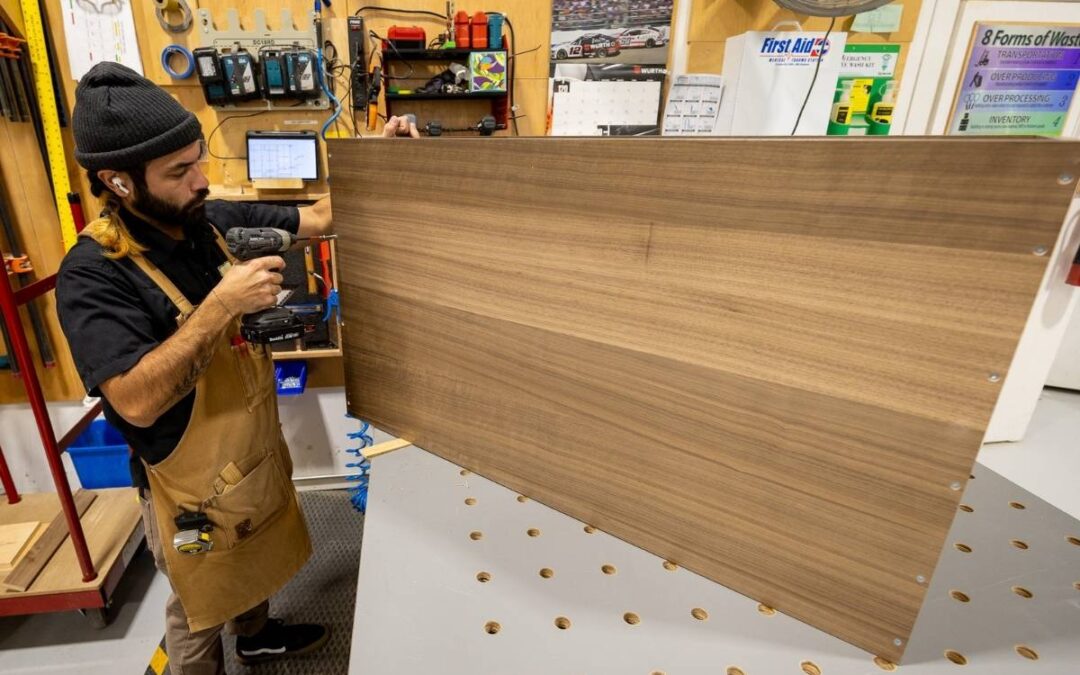
When homeowners hear the phrase “material selection,” they often think about choosing between maple, walnut, or another wood species. While the appearance of wood certainly contributes to the final design, experienced cabinet makers know that material selection involves much more than deciding how cabinetry will look. It includes evaluating construction methods, selecting durable components, choosing reliable hardware, and determining how each piece will perform throughout the years of everyday use.
At Smith & Vallee Cabinet Makers, every cabinetry project begins with understanding how the space will be used. Material selection is approached as part of a larger design process where durability, function, and craftsmanship work together. Rather than focusing on a single material, experienced professionals consider how every component contributes to cabinetry that serves homeowners well for many years.
Understanding What Material Selection Really Means
Wood selection begins long before construction starts. Cabinet makers first learn about the homeowner’s lifestyle, storage needs, and how the room will function each day. A family kitchen used for daily cooking presents different requirements than a home office, laundry room, or entertainment space.
Many homeowners assume wood selection only refers to the visible wood surfaces. In reality, professional cabinet makers evaluate the complete cabinet system. Construction methods, interior components, hardware, and protective finishes all influence how cabinetry performs over time. Every decision is made with long-term durability in mind rather than appearance alone.
Wood species still play an important role because they establish the overall character of the finished cabinetry. Grain pattern, texture, and natural color all contribute to the design. However, experienced professionals understand that beautiful wood alone does not determine the quality of a cabinet. The way cabinetry is designed and constructed has an even greater impact on long-term performance.
Why Construction Quality Matters More Than Appearance
Quality cabinetry begins with thoughtful engineering. Every cabinet must support the weight of dishes, cookware, appliances, and daily use while maintaining precise alignment for years. This is why experienced cabinet makers place significant emphasis on construction quality during the design process.
Homeowners often ask what separates professionally built cabinetry from mass-produced alternatives. The answer usually lies in careful fabrication, accurate measurements, precise joinery, and attention to detail throughout production. These elements help cabinetry remain stable while maintaining smooth operation over time.
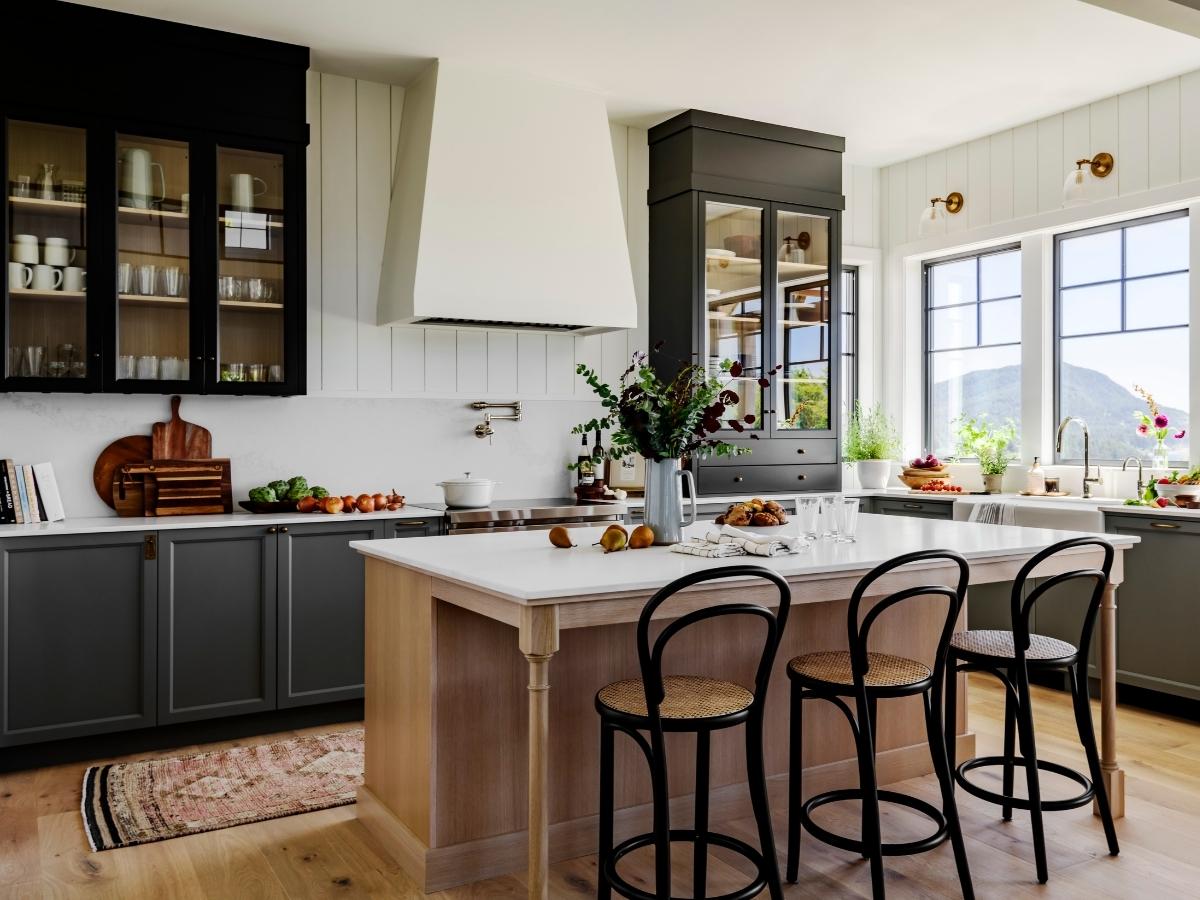
Construction also involves designing cabinets specifically for the homeowner’s space. Rather than forcing standard-sized products into a room, custom cabinetry is built around the home’s layout. This creates better storage, improves workflow, and allows cabinetry to complement the architecture instead of competing with it.
Choosing Hardware That Supports Everyday Living
Hardware is one of the most valuable components of any custom cabinetry project, even though it often receives less attention than visible design features. Drawer systems, concealed hinges, lift mechanisms, pull-out organizers, waste systems, and specialty storage accessories all contribute to how cabinetry functions each day.
Many homeowners searching online for custom kitchen cabinet makers near me are looking for professionals who understand how cabinetry should work, not simply how it should look. Experienced cabinet makers evaluate hardware based on the client’s storage habits, accessibility needs, and daily routines before recommending solutions.
Specialty hardware should never be selected simply because it appears impressive. Quality and durability remain the priority. Features that improve organization should also withstand years of regular use without sacrificing smooth operation. Choosing dependable hardware allows cabinetry to remain functional long after installation is complete.
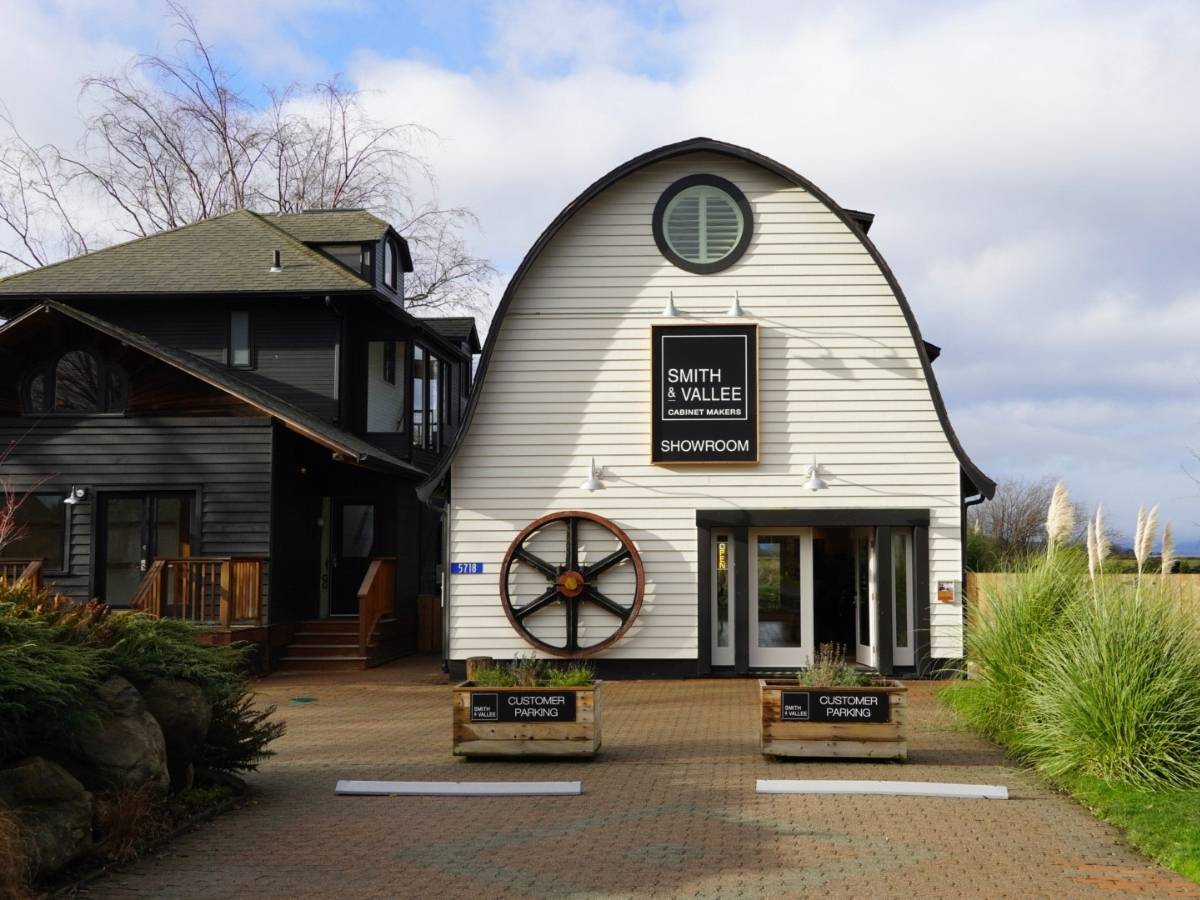
Visiting a showroom also provides homeowners with an opportunity to experience these internal systems firsthand. While online galleries offer a convenient way to explore ideas, operating drawer systems, lift supports, and organizational accessories in person provides a much clearer understanding of how they perform in everyday use.
Protective Finishes Play An Important Role
A protective finish serves a purpose beyond enhancing appearance. It helps preserve cabinetry from moisture, daily handling, and normal household wear. Experienced cabinet makers evaluate where each component will be located before determining the most appropriate finishing approach.
Cabinetry located near sinks, countertops, or other frequently used areas may experience different conditions than decorative storage or display cabinetry. Understanding how each piece will be used allows cabinet makers to apply finishing systems that support long-term durability while maintaining a consistent appearance.
The finishing process itself also contributes to overall quality. Careful preparation and controlled application help create an even, durable surface that protects the cabinetry throughout years of use.
The specific finishing products, finish types, and application methods used by Smith & Vallee Cabinet Makers can always be verified directly with the company, as finishing systems may vary depending on the project and intended application.
Material Selection Is A Collaborative Process
Successful cabinetry projects rely on collaboration between the homeowner and the cabinet maker. Material decisions are rarely made in isolation. Instead, they develop through conversations about design preferences, storage needs, lifestyle, and long-term goals.
Homeowners often ask when accurate measurements become part of the process. At Smith & Vallee Cabinet Makers, on-site measurements are completed after a project deposit has been made. This allows the team to gather precise field measurements before finalizing cabinetry for production.
Throughout the design process, homeowners have opportunities to review layouts, discuss hardware options, and compare materials. These conversations help ensure every decision supports both function and appearance before fabrication begins.
For homeowners interested in learning more about the value of local craftsmanship, our related article, “Craftsmanship Behind Locally Built Custom Cabinets,” provides additional insight into how experienced professionals approach cabinet design, fabrication, and construction. Together, these resources help explain why careful planning contributes to successful custom cabinetry.
Long-Term Value Comes From Thoughtful Decisions
One of the greatest advantages of working with experienced cabinet makers is the ability to benefit from informed decision-making throughout the project. Rather than selecting products based only on appearance or current trends, professional cabinet makers consider how every component will perform years into the future.
Construction methods, quality hardware, thoughtful design, and protective finishing systems all work together to create cabinetry that supports everyday living. When these elements are considered collectively, homeowners receive cabinetry designed not only to complement their home but also to withstand regular use.
This approach often results in fewer compromises and greater satisfaction over time. Investing additional attention during the planning stage helps create cabinetry that remains functional, attractive, and dependable long after the project is complete.
Start The Conversation About Your Project
Choosing materials for custom cabinetry involves much more than selecting a wood species. It requires balancing design, construction quality, hardware, functionality, and long-term performance to create cabinetry that truly supports the way a homeowner lives. Experienced cabinet makers guide homeowners through these decisions so every component contributes to a durable and thoughtfully designed finished product.
If you are beginning to plan a custom cabinetry project, learning more about the design process at Smith & Vallee Cabinet Makers can provide valuable insight into how thoughtful planning shapes every project. Although Smith & Vallee does not perform installation, we remain available throughout the installation process to support both homeowners and the installers we regularly work alongside, helping ensure the finished cabinetry reflects the original design vision.