Choosing someone to build custom cabinetry requires more than finding a project photo you like. A beautiful kitchen can catch your attention, but evaluating the quality behind it requires looking more closely at design decisions, construction, and consistency.
Experienced cabinet makers should be able to show how they solve different problems for different clients. At Smith & Vallee Cabinet Makers, we have built custom residential cabinetry in Edison, Washington, since 1997. Because every project begins from scratch, our past work reflects different homes, styles, storage needs, and client priorities throughout Western Washington.
Look Beyond the Overall Appearance
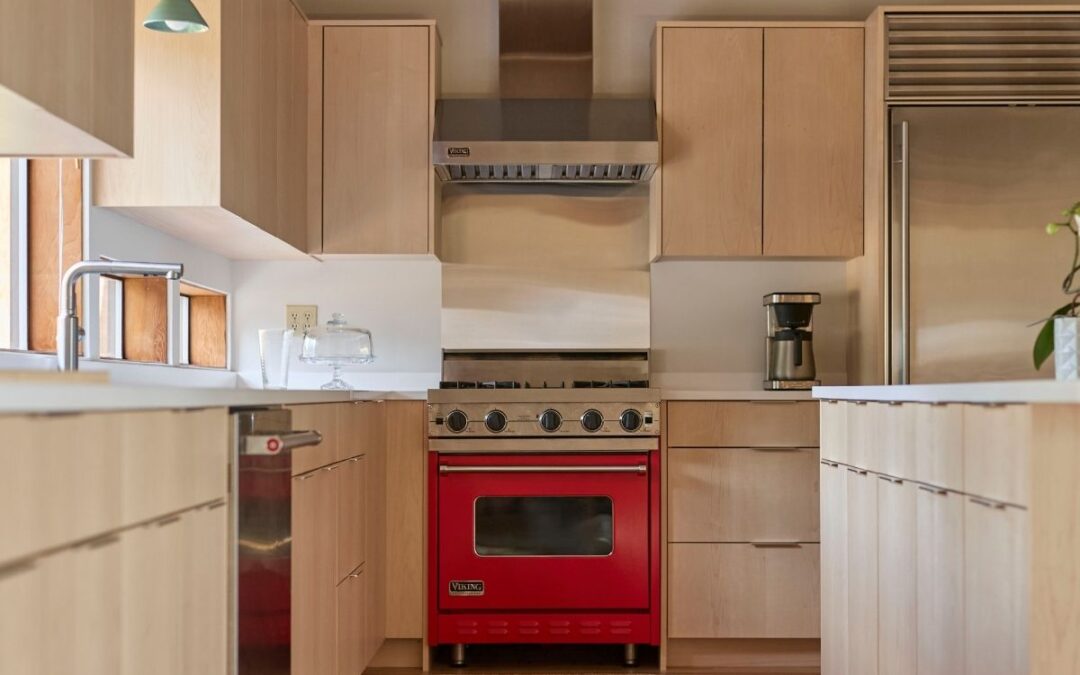
The first impression matters. Cabinetry should look balanced within the room, doors and drawers should align cleanly, and the design should feel intentional. However, appearance alone cannot tell you whether cabinetry was carefully constructed.
Look at the relationships between doors, drawers, panels, shelving, appliances, and surrounding features. Consistent spacing and thoughtful transitions can reveal the level of attention behind the work.
High-quality custom cabinetry combines precise construction, durable components, functional design, and careful detailing for its intended space and use. Rather than asking only, “Do I like this kitchen?” ask, “What does this project tell me about the cabinet maker?”
Look for Consistency Across Different Projects
One impressive project does not establish consistent craftsmanship. Review several examples whenever possible. A strong portfolio should demonstrate how the team handles different styles and functional challenges. Look at kitchens, bathrooms, home offices, mudrooms, laundry rooms, and specialty cabinetry. A strong custom cabinetry portfolio demonstrates consistent craftsmanship without making every project look the same.
At Smith & Vallee, every project is custom. We follow an established process, but each job starts fresh after learning what the client wants to accomplish. A portfolio containing different wood choices, layouts, storage configurations, and architectural settings can therefore demonstrate adaptability as well as craftsmanship.
Examine the Details That Reveal Craftsmanship
Certain details help distinguish carefully built cabinetry from work that photographs well. Smith & Vallee uses solid maple drawer boxes with traditional dovetail joinery. Hardware also deserves attention because hinges, slides, pull-outs, and other mechanisms influence how cabinetry operates every day.
| Detail to Examine | What It Can Tell You |
|---|---|
| Door and drawer alignment | Indicates attention to fabrication and fit |
| Dovetail drawer joinery | Shows how drawer components are mechanically connected |
| Drawer box construction | Provides insight into durability and craftsmanship |
| Hinges and drawer slides | Affects movement and everyday operation |
| Integrated appliance panels | Shows coordination between cabinetry and appliances |
| Specialty storage hardware | Reveals whether storage addresses actual needs |
| Wood grain transitions | Shows attention to the overall composition |
Ask How the Design Solved a Real Problem
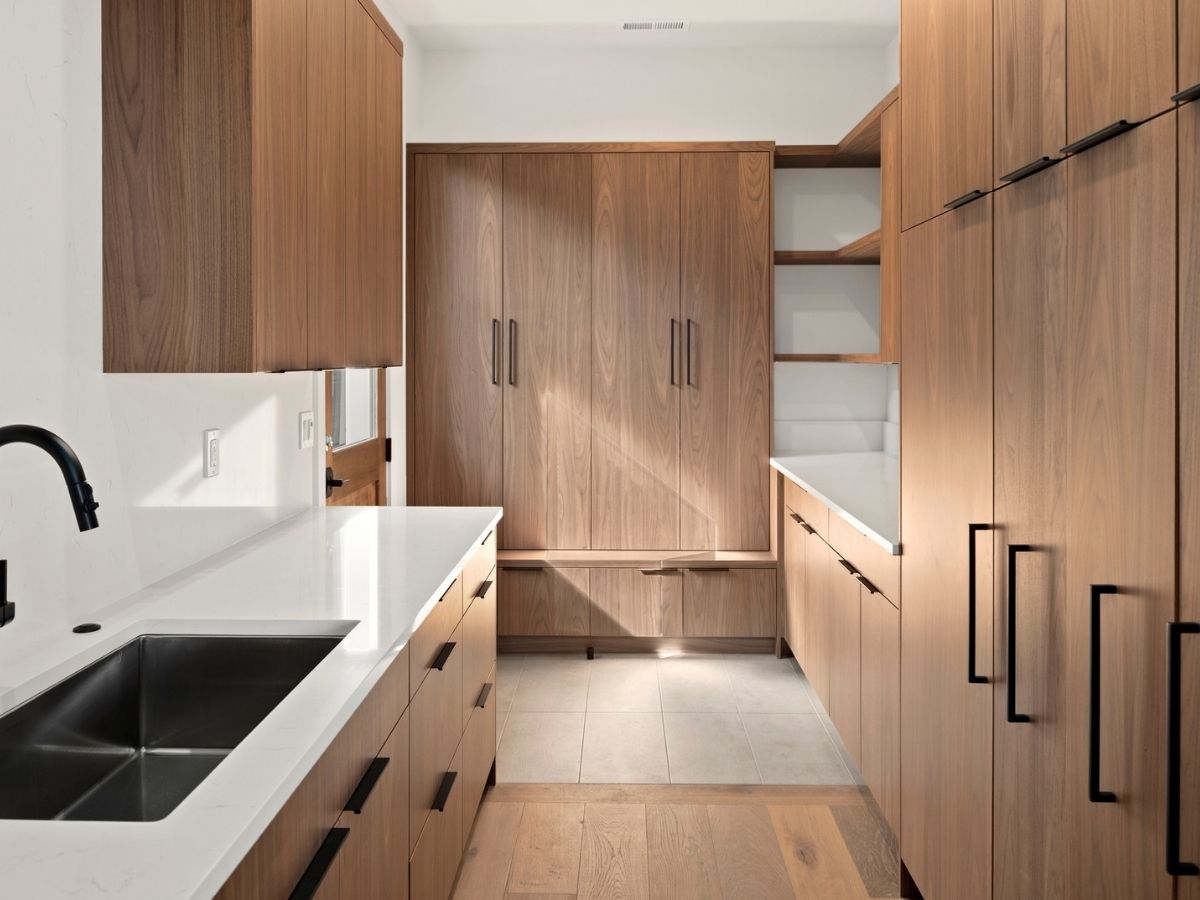
One of the best ways to evaluate past work is to ask why a designer made a particular decision. The answer can reveal whether the cabinet maker was filling a space or actively solving a problem for the homeowner.
Custom cabinetry should respond to how an individual homeowner actually uses the space. A pantry rollout might make frequently used items easier to reach. A dedicated shelf could keep a heavy blender near the pantry without taking up countertop space. In a laundry room, cabinetry might incorporate a convenient place to hang clothing to dry.
These solutions also show why specialty cabinet hardware deserves attention when reviewing past projects. Smith & Vallee has incorporated hardware for needs ranging from discreet electronics charging to appliance storage and other highly specific uses. Specialty cabinet hardware is selected to solve a particular storage, access, or functional need, making it a useful indicator of how thoughtfully a cabinet maker responds to the client’s everyday routines.
Evaluate the Hardware Too
Hardware is easy to overlook because much of it sits inside cabinetry, yet it strongly influences how cabinets feel and function.
Smith & Vallee uses high-quality hardware, including products from established manufacturers such as Blum and Kesseböhmer. They consider specialty hardware when a project requires a different solution. The best specialty hardware solves a genuine problem while remaining durable enough for regular use.
Seeing these systems firsthand can be helpful. Project photography offers a convenient way to explore previous designs, while a shop visit lets homeowners operate drawers, hinges, pull-outs, and internal systems themselves.
For homeowners around Bow, Bellingham, Anacortes, and nearby Western Washington communities, Smith & Vallee encourages visits to its Edison shop. Seeing where cabinetry is made provides context that photographs alone cannot offer.
Find Out Who Actually Builds the Cabinetry
A portfolio shows what a company has produced. Understanding the people behind that work explains how they achieved those results. Smith & Vallee operates with a small yet highly-collaborative team. Clients begin by discussing project scope with Ryan and Wes. Aric and Byron help translate those conversations into drawings for boxes, panels, and other components, while Ben and Tanner contribute as cabinetry moves through building and delivery.
Ask whether the cabinetry shown in a portfolio was actually fabricated by the team you are considering. Find out where the work happens and how designers and craftspeople communicate.
Our article, Expert Craftsmanship: Choosing the Right Cabinet Makers for Custom Kitchen Cabinets, explores these considerations in more detail. Past projects provide useful evidence, but the people and craftsmanship behind those projects matter just as much.
Consider Work in Existing Homes
Past projects can be particularly revealing when they involve older homes or existing cabinetry.
Adding cabinetry to an established interior may require new work that relates thoughtfully to existing woodwork, proportions, stains, and finishes. Smith & Vallee can select wood that complements the home and, when appropriate, match existing stains and finishes.
When evaluating a portfolio, look for projects similar to the work you need. If you are updating an older home around Bow, Bellingham, Seattle, or elsewhere in Western Washington, examples involving existing cabinetry may tell you more than completely new construction. Specific stain and finish matching can be verified with Smith & Vallee for the individual project.
Ask About the Process Behind the Work
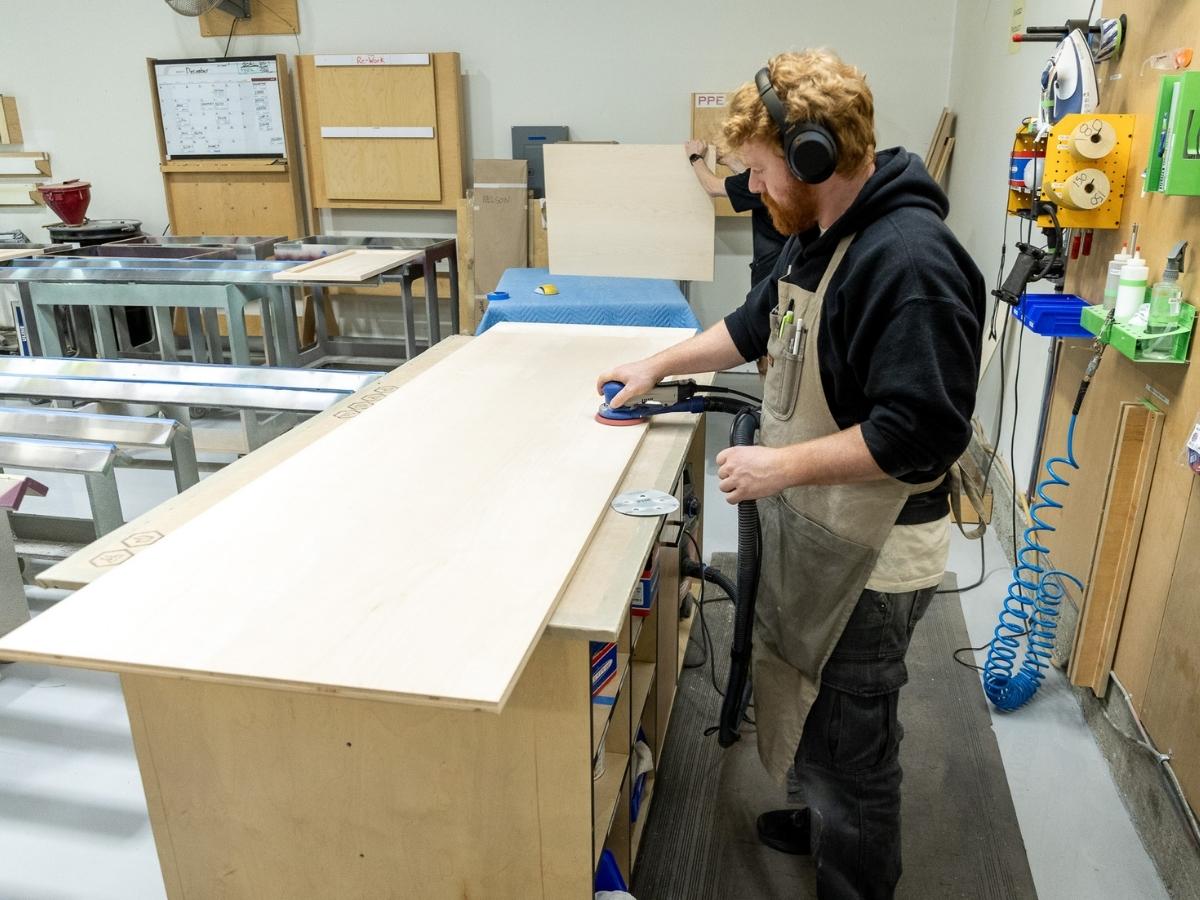
Quality cabinetry comes from a process, not a single fabrication step. Ask what happened between the first conversation and the completed project. How were ideas developed? How were revisions handled? Who communicated with the builder or designer?
At Smith & Vallee, projects begin with conversations about scope and goals. After the client makes a deposit, the team conducts an on-site visit for detailed measurements. The project then continues through drafting, fabrication, delivery, and support.
Understanding this process helps you determine whether the quality you see in a portfolio comes from a consistent approach.
Find Out What Happens After Delivery
Another useful question is, what happens after the cabinets are delivered? Smith & Vallee does not install cabinetry directly. The company works with installers it knows and likes working with or coordinates with the client’s contractor or installation professional.
Its involvement does not end when cabinetry leaves the shop. The team remains available during installation to answer questions and clarify details. Smith & Vallee also stays accessible afterward for questions that can arise once homeowners begin living with their cabinetry.
That follow-through matters because craftsmanship involves more than producing the cabinets. It also includes helping clients and other project professionals move the work through its remaining stages.
What Should You Look for During a Shop Visit?
If a cabinet maker welcomes visitors, take advantage of the opportunity. Smith & Vallee’s shop and design studio are in Edison near Bow, WA. A visit allows clients to see where their cabinetry will be created and meet the people involved in the process.
Look closely at drawer construction and operate hinges, slides, pull-outs, and specialty internal hardware when available. Ask how projects move through the shop and how unusual requests are handled.
A cabinet shop visit allows homeowners to evaluate craftsmanship by seeing construction details, hardware operation, and the fabrication environment firsthand. Online photography remains useful for viewing a broader range of completed projects. A shop visit complements those images by letting you experience details through movement and touch.
Quality Is More Than a Cabinet Style
The best way to evaluate a cabinet maker’s past work is not to search for a kitchen that looks exactly like the one you want. Instead, look for evidence that the cabinet maker can listen, adapt, build carefully, solve functional problems, and maintain consistent craftsmanship across different projects. Precision, thoughtful storage, reliable hardware, and careful detailing can appear across many styles.
Smith & Vallee has built custom residential cabinetry in Edison since 1997. Our past work reflects not only what our team can fabricate, but also how we collaborate with homeowners, builders, designers, and architects from the first conversation through delivery and follow-up. Ultimately, the best portfolio does more than show attractive cabinets. It demonstrates how a cabinet maker thinks, builds, adapts, and solves problems for individual clients.